Interiors··3 min read
Cubit Shelving: Modular Shelves That Grow with You
Cubit shelving is a modular German system you build like a puzzle and can reconfigure whenever you move. We explain why we are fans.
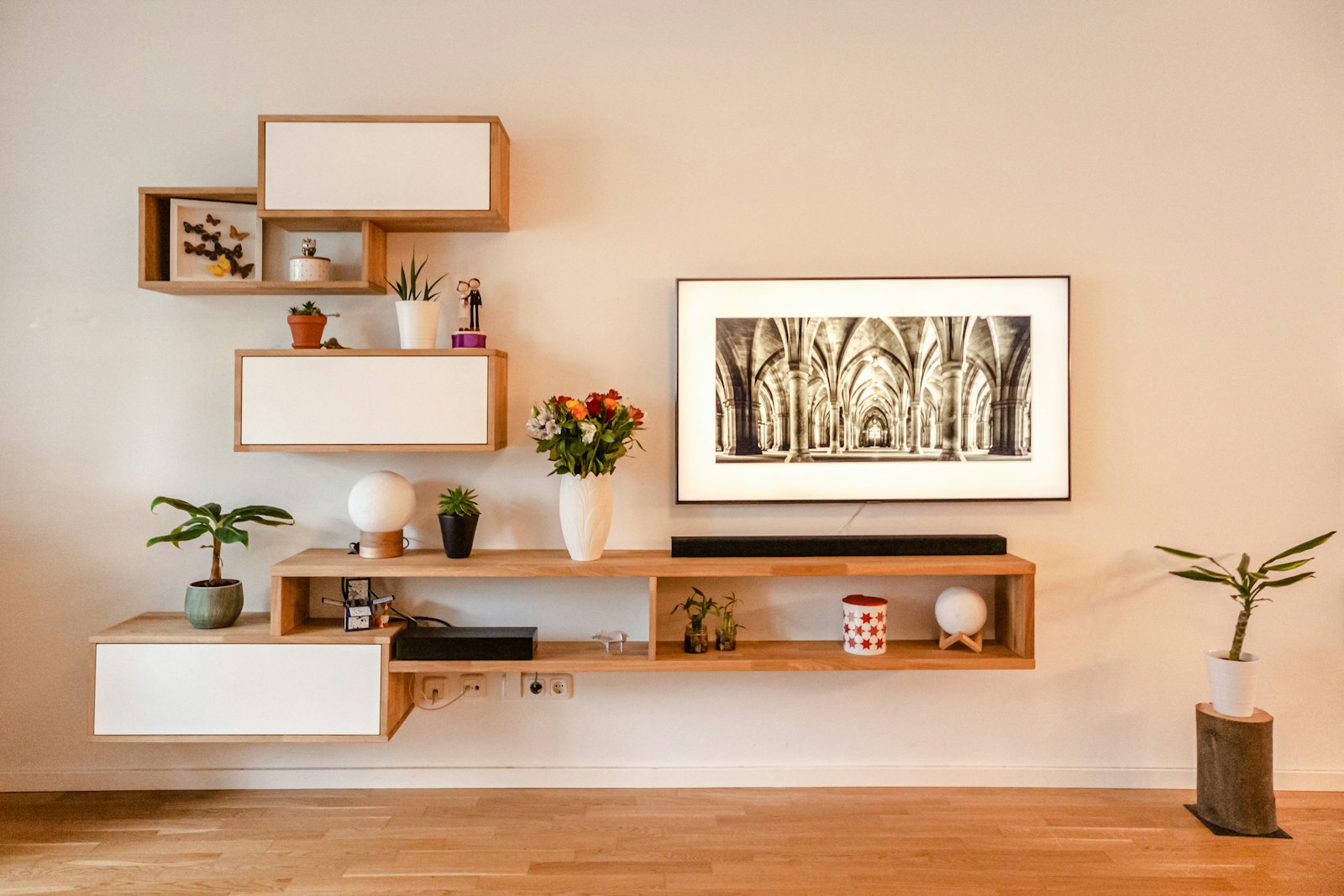
Shelving is one of those things we tend not to think about until we have too many books, too many plants and nowhere to put either. Cubit shelving offers a clever answer: a modular system made up of individual boxes that join together to form whatever shape your wall, alcove or room needs. It is endlessly flexible, good-looking and refreshingly easy to put together.
We have been admiring Cubit shelves for a while, so here is our guide to how the system works, what makes it different and how to style it.
What is Cubit shelving?
Cubit is made by Mymito, a German company founded in 2006 by interior designer Minou Farkhondeh and Thomas Reichel. The idea is simple: rather than buying a fixed bookcase, you choose individual modules in different sizes and combine them into your own arrangement. The modules are sized with books, records and other everyday objects in mind, so the finished piece feels practical as well as playful.
Each module is made from MDF and finished with layers of paint, which gives the shelves a smooth, crisp look. The modules connect to each other without tools using small inserts that slot into grooves at the back, and brackets fix the whole arrangement securely to the wall.
Why we like Cubit shelves
- Total flexibility: build tall and narrow, low and long, or a stepped staircase shape. When you move, simply rearrange.
- Tool-free assembly: no flat-pack frustration or missing screws, just modules and connectors.
- Room to grow: start small and add modules as your collection of books or objects expands.
- Clean design: the simple boxes look smart in a modern flat but also suit a period room.
- Choice of colours: the system comes in a range of finishes, so you can go discreet or bold.
The best storage adapts to your life rather than asking your life to adapt to it. That is exactly what a modular system does.
Planning your Cubit shelving layout
Because the system is so open-ended, a little planning goes a long way. Here is how we would approach it:
- Measure the space. Note the width, height and any awkward features like skirting, sockets or radiators.
- List what you are storing. Paperbacks, vinyl, files and display pieces each suit different module sizes.
- Sketch it out. Draw a few arrangements on paper. Asymmetric layouts often look more interesting than a perfect grid.
- Leave some empty boxes. A few open spaces keep a large unit from feeling heavy.
- Fix it properly. Tall arrangements should always be secured to the wall, especially in homes with children.
Styling ideas for Cubit shelves
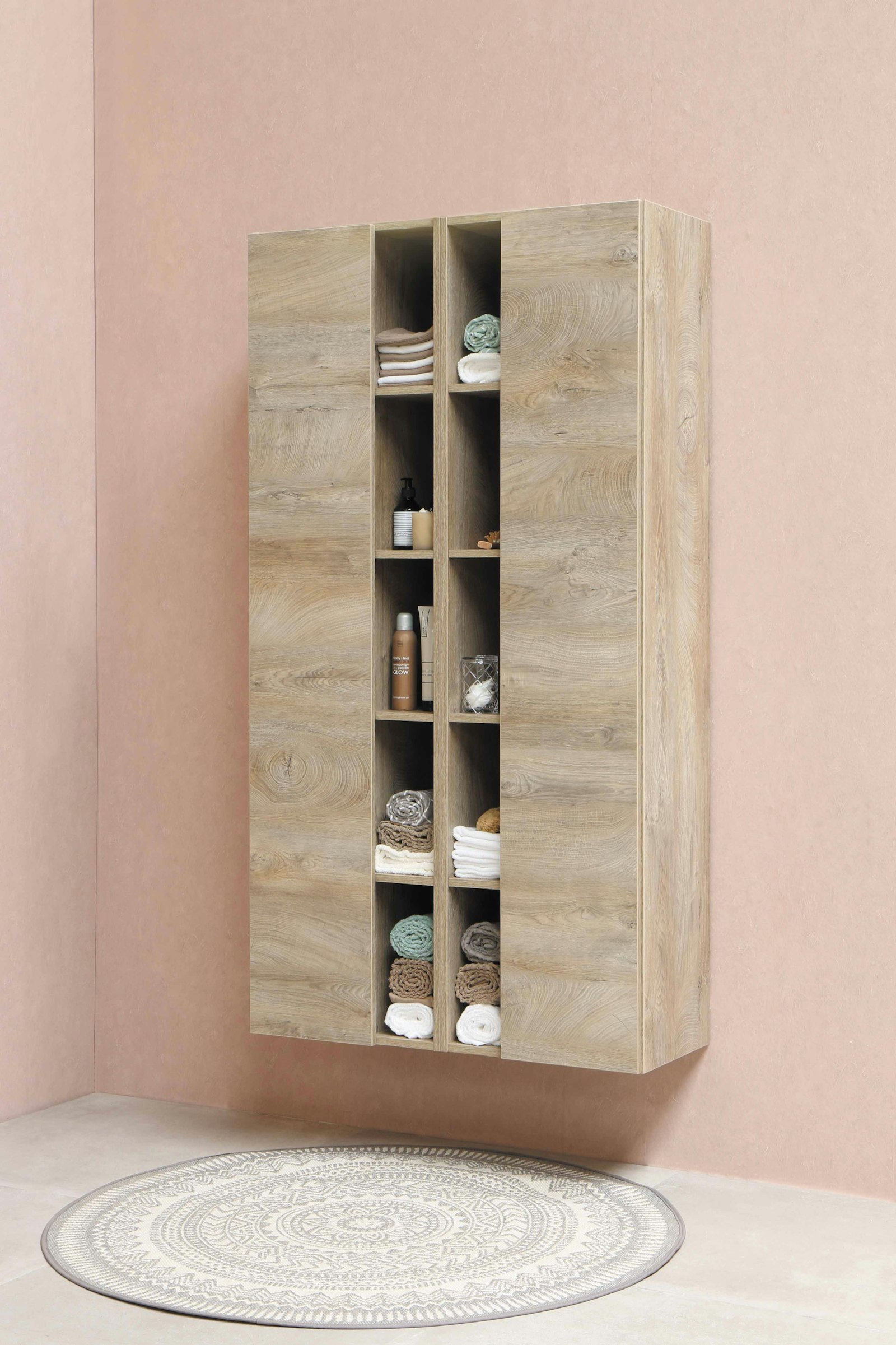
A tall, wooden-toned Cubit unit against a pink wall, as in our photo, shows how well the system works as a feature in its own right. Colour behind the shelves makes the boxes stand out, almost like a piece of graphic art. A few ideas for styling:
- Mix books with plants, ceramics and the odd framed print.
- Group objects by colour across several modules for a calm, considered look.
- Use a run of low modules as a media unit or a window seat base.
- Build a narrow column beside a door to make use of a forgotten strip of wall.
If you are thinking about shelving in other rooms, our guide to open shelving in kitchens has plenty of practical advice. And for a lighter, airier mood to pair with modular storage, have a look at our post on Swedish charms.
Is Cubit shelving right for you?
It is also worth thinking about where else modules might live. A couple of spare boxes make a neat bedside table, a hallway shoe store or a small desk organiser, so nothing goes to waste if your main arrangement changes.
If you rent, move often or simply like to change things around, Cubit shelving is a brilliant option. It is a long-term investment that moves with you, rather than a bookcase that has to be left behind. Some people search for it as cubits shelving, but whatever you call it, the idea is the same: storage that is as flexible as the way we live now.
Questions readers ask
What is Cubit shelving?
Cubit is a modular shelving system made by the German company Mymito, built from individual boxes that join together into custom arrangements.
Do Cubit shelves need tools to assemble?
The modules connect to each other without tools using small inserts, though wall brackets are used to fix the arrangement securely.
Can I rearrange Cubit shelving?
Yes. Because it is modular, you can reconfigure the boxes or add new ones when you move home or your storage needs change.