Design & Makers··4 min read
Alberto Alessi Designs: Living on the Line
How Alberto Alessi turned a family metalworking firm into a laboratory for design, and why the line between art and object still matters at home.
There is a particular kind of pleasure in an object that does its job and makes you smile at the same time. Few names are as closely tied to that idea as Alessi, and few people shaped it as much as Alberto Alessi. When we think about Alberto Alessi designs, we are really thinking about a way of working: inviting architects, artists and designers to treat a kettle or a corkscrew as seriously as a building.
This post is our look at that philosophy, a handful of Alessi design icons we would happily give house room, and how to live with them without turning your kitchen into a museum.
From Omegna workshop to design laboratory
Alessi began in 1921 as a metalworking business in Omegna, in the Piedmont region of northern Italy, producing tableware and household objects in metal. For decades it was a respected manufacturer rather than a household name.
Alberto Alessi, the third generation of the family in the business, joined in 1970 having trained in law. His instinct was that the company could be more than a factory. Rather than designing everything in-house, Alessi increasingly worked with outside designers and architects, giving them room to experiment. The firm became, in effect, a research laboratory for everyday objects, with the factory as the place where ideas met reality.
The most interesting objects live right on the line between what we need and what we dream about.
Alberto Alessi designs and the art of the everyday
That idea of living on the line is the best way we know to describe the Alessi approach. On one side is function: a pot must pour, a squeezer must squeeze. On the other is emotion, humour and poetry. A purely functional object can be forgettable; a purely artistic one can be useless. The products people remember sit somewhere in between, and Alberto Alessi seemed willing to let designers push right up to that edge, accepting that some ideas would be commercial hits and others would be glorious misfires.
For us, that is what gives the brand its personality. You can feel the risk in many of the pieces, and that risk is what keeps them from being bland.
Alessi design icons worth knowing
The Alessi catalogue is enormous, but a few pieces have become shorthand for the whole story:
- 9090 espresso maker by Richard Sapper. Launched in 1979, it was Alessi's first espresso maker, with a crisp, engineered form that still looks modern.
- 9093 kettle by Michael Graves. The stainless-steel kettle with the little bird on its spout is one of the most recognisable kitchen objects of the 1980s.
- Juicy Salif by Philippe Starck. The spidery aluminium lemon squeezer from 1990 is endlessly debated: sculpture, tool or both?
- Anna G corkscrew by Alessandro Mendini. A cheerful figure whose arms rise as you open the bottle, it captures the playful side of the brand perfectly.
Each of these is arguably more famous than many of the buildings their designers worked on, which says a lot about how much we notice the objects we use every day.
Living with Alessi at home
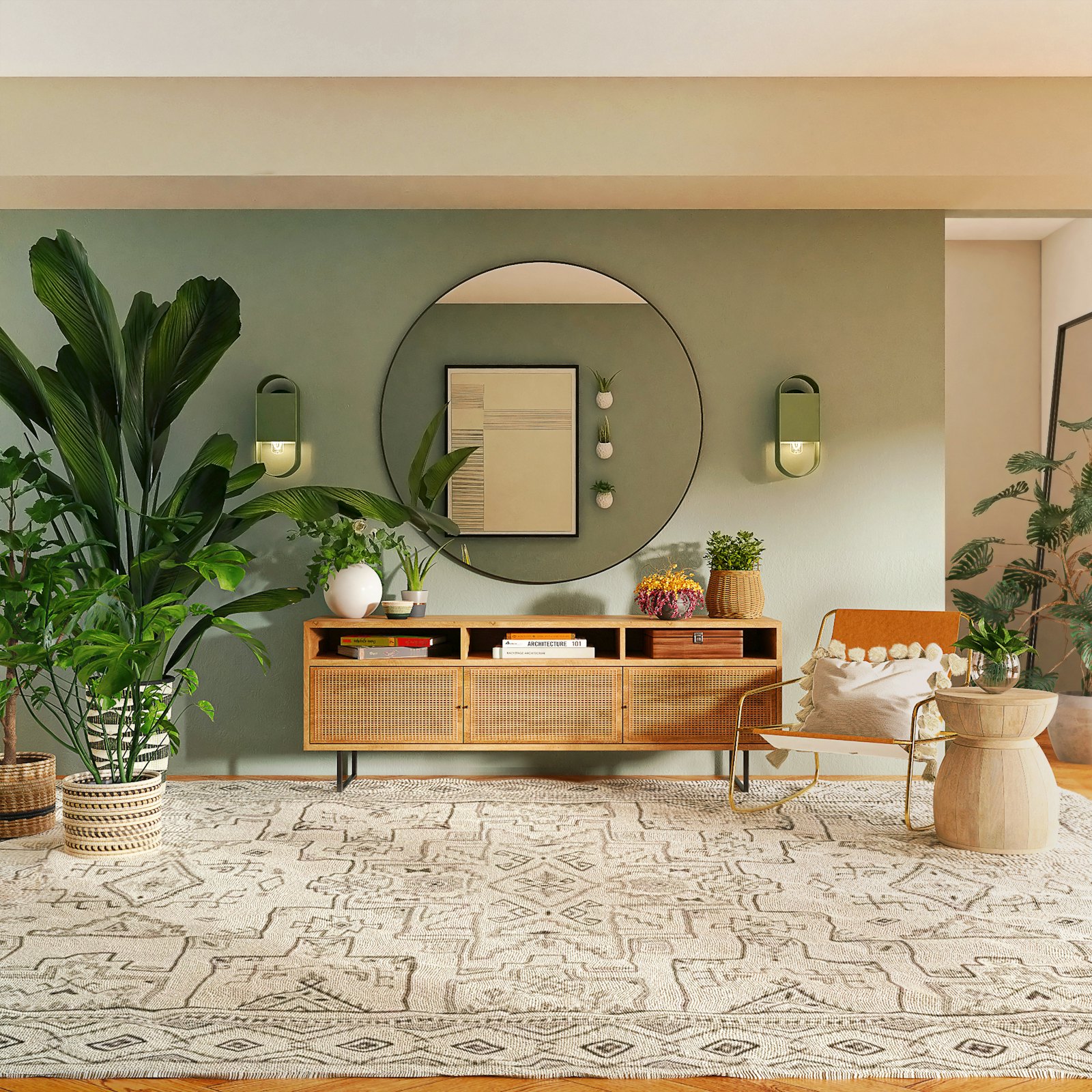
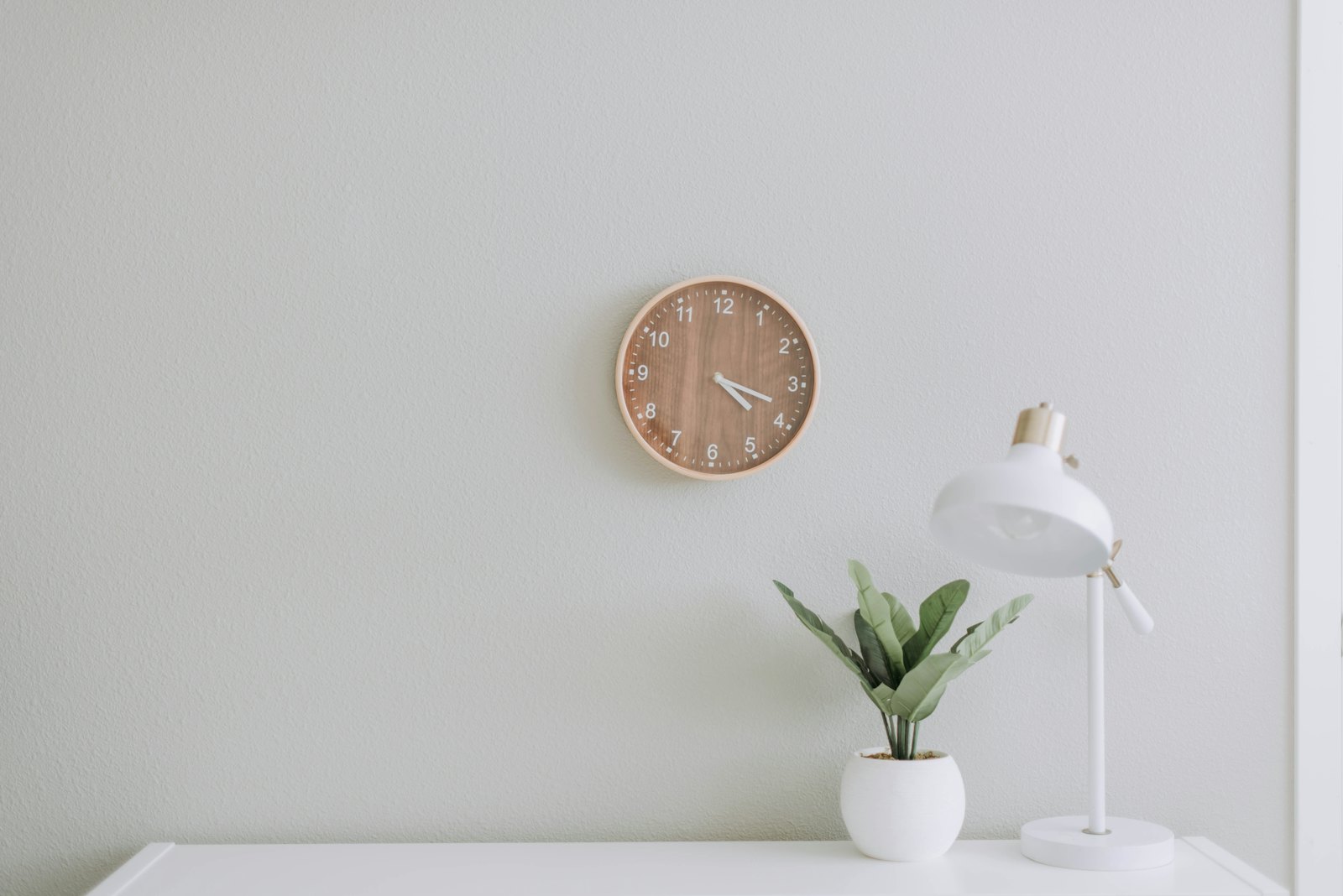
The trick with design icons is to use them. A kettle that is too precious to boil is just an ornament. We like to let one or two statement pieces sit among quieter things: a white desk, a simple lamp, a clock on the wall, a plant softening the corner. Against that calm backdrop, a sculptural object has room to breathe.
Our tips:
- Choose one hero per surface. A single bold piece on a worktop or shelf looks intentional; five looks like a shop display.
- Mix eras. Alessi pieces sit beautifully next to vintage finds and handmade pieces, such as the small-batch furniture in our feature introducing Made by Jason.
- Think about display. Open shelves are ideal for showing off well-designed kitchen kit, as we explored in open shelving in kitchens.
- Buy what you will use. The pleasure of good design is daily, not occasional.
Why the Alessi story still matters
Today we are surrounded by design-led homeware brands, many of them working with named designers and limited editions. It is easy to forget that this approach once felt radical. Alessi helped show that ordinary household objects could carry ideas, wit and a point of view, and that people would welcome them into their homes.
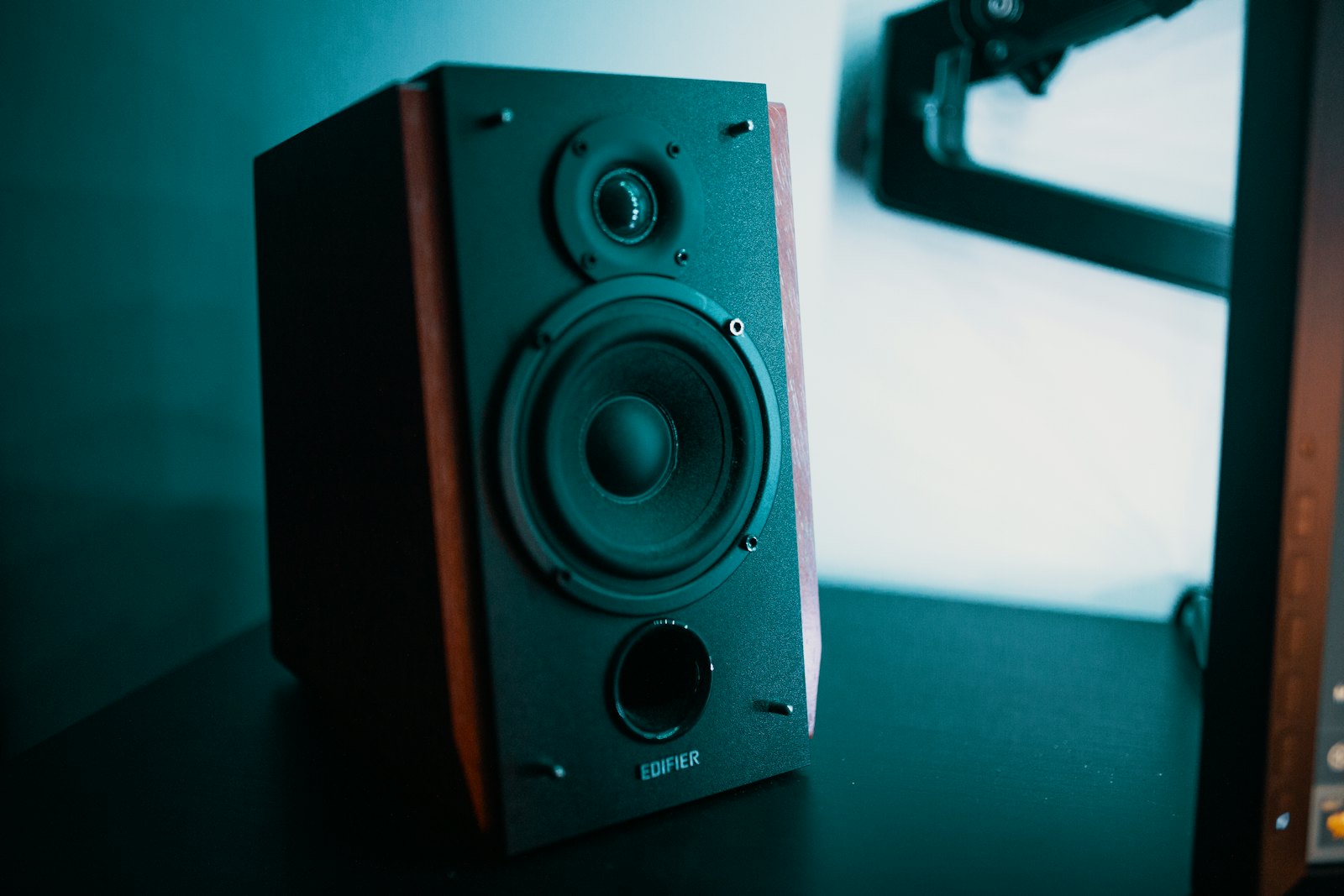
The lesson for anyone furnishing a home is simple. Look for objects that do their job well, but do not be afraid of the ones that also make you laugh, think or pause. As with the colourful speakers we covered in our Kakkoii Pantone speakers post, a little personality goes a long way.
Questions readers ask
Who is Alberto Alessi?
Alberto Alessi is a member of the third generation of the family behind Alessi. He joined the company in 1970 and is known for turning it into a laboratory for collaborations with outside designers.
What are the most famous Alessi design icons?
Well-known Alessi pieces include Richard Sapper's 9090 espresso maker, Michael Graves's 9093 bird kettle, Philippe Starck's Juicy Salif lemon squeezer and Alessandro Mendini's Anna G corkscrew.
Where was Alessi founded?
Alessi was founded in 1921 as a metalworking business in Omegna, in the Piedmont region of northern Italy.