Design & Makers··4 min read
Introducing Made by Jason: Small-Batch Handmade Furniture
A pale wooden stool, a single maker and a lot of patience: why we love the small-batch approach behind Made by Jason.
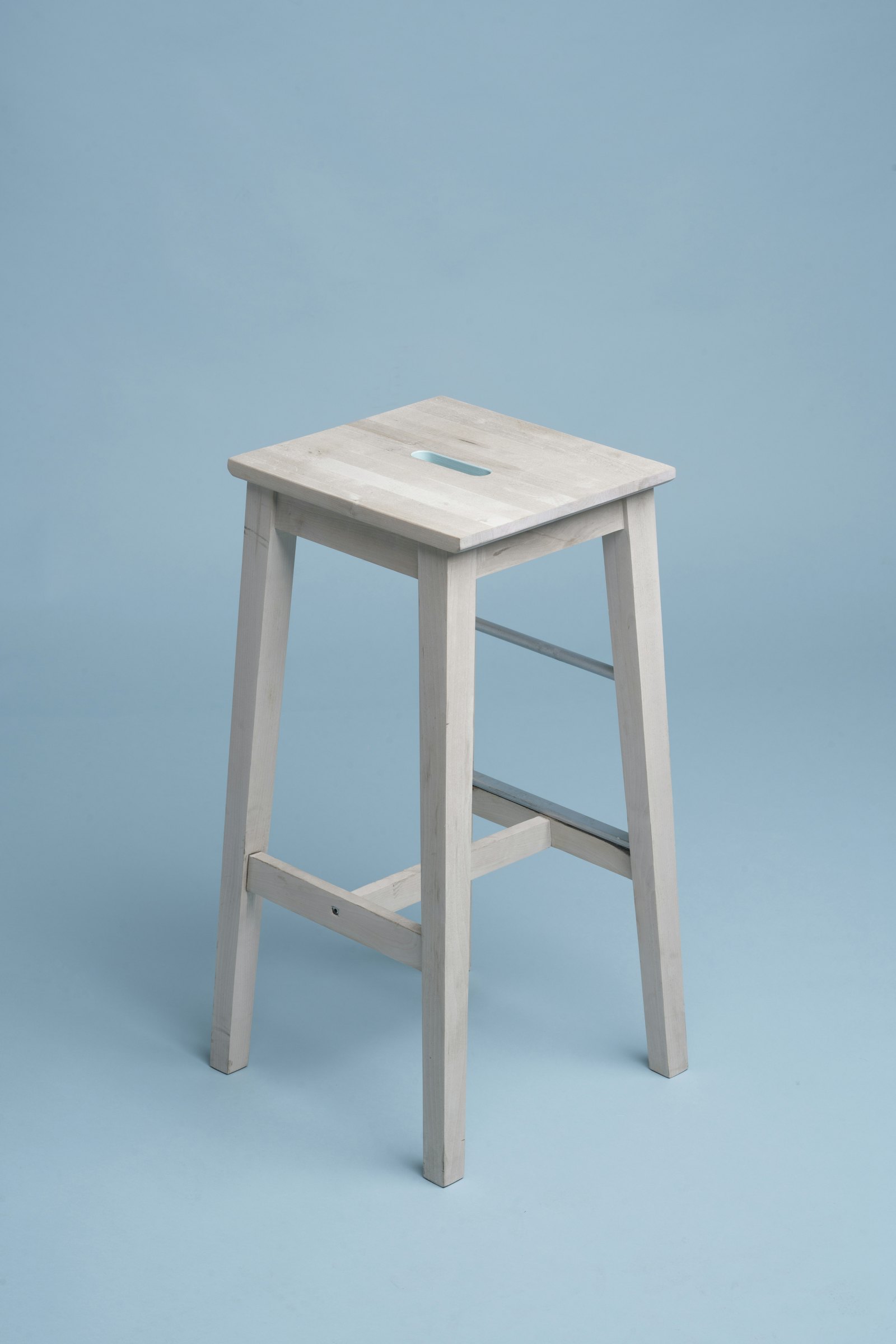
Every so often a piece of furniture stops us mid-scroll. This time it was a pale wooden stool, photographed against a wall of saturated blue, with nothing to distract from its proportions. It came from Made by Jason, a small, maker-led furniture label, and it reminded us why we keep coming back to handmade pieces even when the high street offers something that looks similar for less.
We are not going to pretend we know every detail of the workshop or the person behind it. What we can talk about is what that stool represents: furniture made in small batches, by hand, by someone who has thought hard about every joint and edge.
Why Made by Jason caught our eye
The stool is almost aggressively simple. A round or softly squared seat, splayed legs, a pale timber that has been left to look like timber. There is no branding, no gimmick, no clever folding mechanism. Its charm is in the balance: the angle of the legs, the thickness of the seat, the way the light catches a hand-finished surface.
That kind of restraint is harder than it looks. In a mass-produced piece, decisions are often made for the convenience of the factory. In a piece from a maker like Made by Jason, decisions tend to be made for the convenience of the person sitting on it, and for the eye of the person looking at it across the room.
The best handmade furniture does not shout about being handmade. It simply feels right in the hand and looks right in the room.
The appeal of small-batch handmade furniture
Small-batch making sits somewhere between one-off commissions and factory production. A maker might produce a handful of the same design at once, refining it slightly each time. The result is furniture that is consistent enough to order, but individual enough that no two pieces are quite identical.
There are a few reasons we find this so appealing:
- Material honesty. Solid timber shows its grain, knots and colour shifts. Over the years it darkens or mellows, and that change is part of the pleasure.
- Repairability. A well-made stool with proper joints can be re-glued, sanded and re-oiled. It is designed to be looked after rather than replaced.
- A shorter story. When you buy from a small maker, the distance between the person who shaped the wood and the person who uses it is refreshingly short.
- Proportion over decoration. Without the need to stand out on a crowded shop floor, makers can focus on getting the basics beautifully right.
Living with a simple wooden stool
A stool is probably the most versatile piece of furniture you can own. In a kitchen it is extra seating at the counter. In a bedroom it is a bedside table for a book and a glass of water. In a bathroom it holds towels; in a hallway it is somewhere to perch while you lace your boots. We have even seen them used as plant stands, which suits the pale wood beautifully.
Pale timbers such as ash, beech or birch work especially well in smaller rooms, because they bounce light around rather than absorbing it. They also sit happily alongside the Scandinavian-leaning look we explored in our love letter to Swedish style, where simple forms and natural materials do most of the work.
If you are thinking about adding a handmade piece to your home, start small. A stool, a stool-height side table or a little shelf lets you get to know a maker's work without committing to a dining table on day one. Pair it with something equally considered, perhaps a wool throw like the ones we admired in our piece on Eleanor Pritchard textiles, and you have the beginnings of a room with real character.
How to choose a handmade piece
Whether you are buying from Made by Jason or any other independent maker, a few questions are worth asking:
- What timber is it, and where is it from? Good makers are usually happy to talk about their materials.
- How is it finished? Oil, wax and lacquer all age differently and need different care.
- How are the joints made? Traditional joinery tends to outlast screws and brackets.
- Can it be repaired? If something gets knocked or scratched, can the maker help?
- What is the lead time? Small-batch work often takes weeks rather than days, and that is part of the deal.
None of this needs to be intimidating. Most makers love questions, because they show you care about the piece as much as they do.
Looking back
When we first wrote about Made by Jason, independent furniture makers were only just starting to find audiences online, and a single photograph of a stool on a blue background could travel a long way. Small makers come and go, change names or move on to other work, so if you go looking for this particular label today, do check what is currently available. The idea behind it, though, has only grown stronger: buy fewer things, buy them well, and buy them from people who care how they are made. For more independent design we have championed over the years, browse our feature on Cubit shelving.
Questions readers ask
What is Made by Jason?
Made by Jason is a small, maker-led furniture label we featured in 2013, known to us for simple, pale wooden pieces such as stools made in small batches.
Why choose small-batch handmade furniture?
Small-batch furniture is usually made from solid materials with careful joinery, so it ages well, can be repaired and has more individual character than mass-produced pieces.
How should I care for a pale wooden stool?
Keep it out of strong direct sunlight, wipe spills promptly and refresh the finish with a suitable oil or wax when the surface starts to look dry.